
Expert Tips for Packing Fragile Items Safely: A Mover's Guide
Understanding the Importance of Proper Packing
Packing fragile items can be a daunting task, but with the right techniques, you can ensure your valuables arrive safely at their destination. Proper packing not only protects your belongings but also gives you peace of mind during the moving process. Whether it's delicate glassware, heirloom china, or expensive electronics, every item requires special attention.
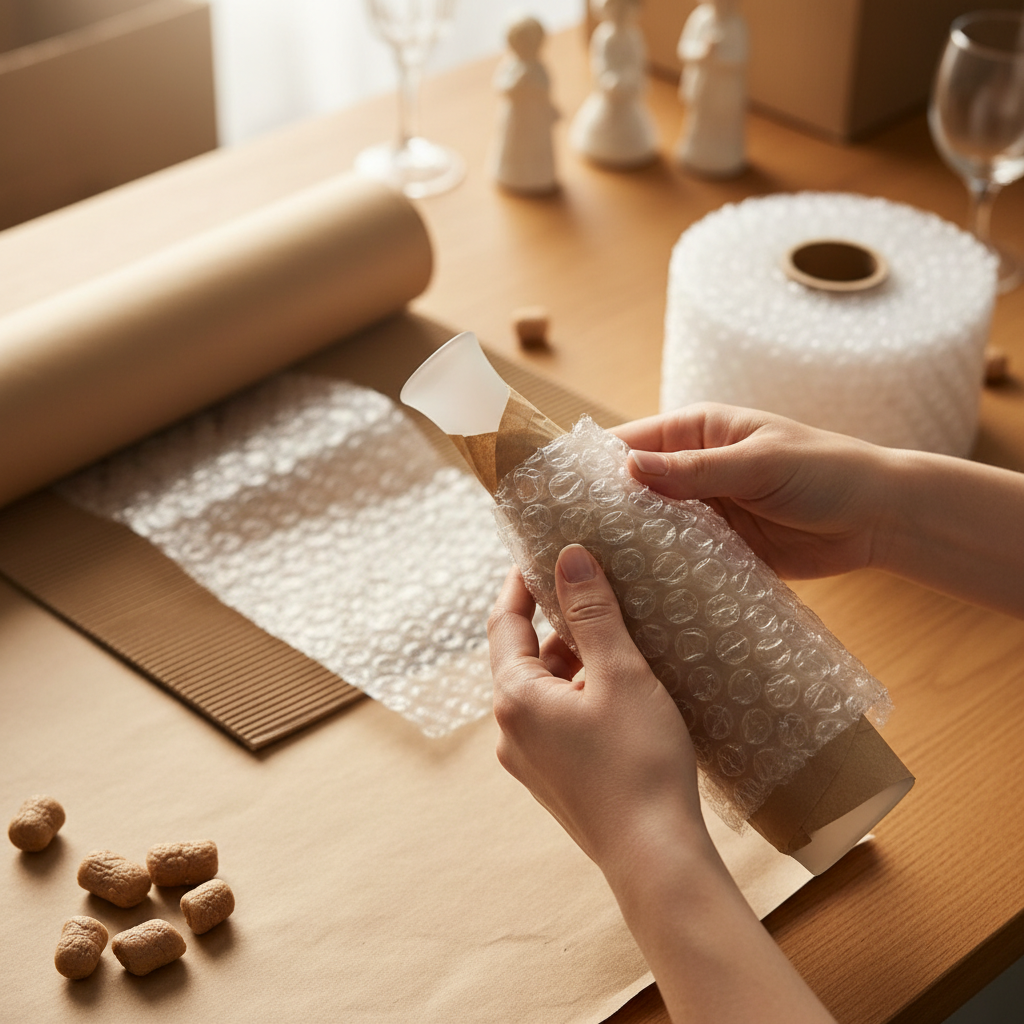
It's crucial to understand that the integrity of your fragile items largely depends on the materials you use and the packing methods you employ. Investing time and care in packing can save you from the disappointment and expense of damaged goods.
Gathering the Right Materials
Before you begin packing, make sure you have all the necessary materials. High-quality packing supplies are essential for safeguarding your fragile items against shocks and vibrations during transit.
- Boxes: Use sturdy, double-walled boxes for added protection.
- Padding: Bubble wrap, packing peanuts, and foam inserts provide cushioning.
- Tape: Use strong packing tape to secure boxes and prevent them from opening.
- Labels: Clearly label boxes as "Fragile" to ensure careful handling.
Mastering the Art of Wrapping
Wrapping is a critical step in protecting your fragile items. Each item should be individually wrapped to prevent them from knocking against each other.

For glassware and ceramics, use bubble wrap or packing paper. Wrap each piece separately and secure with tape. For extra protection, consider using a layer of cardboard between items. Remember to fill any empty spaces in the boxes with packing peanuts to minimize movement.
Strategic Box Packing
Once your items are wrapped, it's time to pack them into boxes. Start by placing a layer of cushioning material at the bottom of the box. Place heavier items at the bottom and lighter items on top. Ensure there is no excess space in the box by filling gaps with additional padding.

It's important to avoid overpacking boxes. Too much weight can cause the box to collapse, while insufficient padding can lead to damage. Aim for a balance that keeps items snug but not cramped.
Special Considerations for Electronics
Electronics require special attention due to their sensitivity to impact and static electricity. Ideally, use the original packaging, as it is designed specifically for the product. If that's not possible, wrap the item in anti-static bubble wrap and place it in a snug-fitting box.
Consider using silica gel packets to control moisture and prevent condensation inside the packaging. Clearly label all boxes containing electronics, and if possible, transport them separately to ensure they remain upright and secure.
Final Checks Before Moving Day
Before sealing your boxes, double-check to ensure everything is packed correctly. Give each box a gentle shake to see if there's any movement. If you hear items shifting, add more padding to secure them.
Once satisfied, seal the boxes with strong packing tape and label them appropriately. Use large, clear labels indicating the contents and destination room.
Tips for Unpacking
Upon reaching your destination, unpack fragile items first to ensure they haven't shifted during transport. Handle each box with care and unpack on a soft surface to prevent accidental breakage.
Take your time during the unpacking process. Rushing can lead to mishaps, so carefully unwrap each item and inspect for any potential damage.
Conclusion
Packing fragile items doesn't have to be stressful. With the right materials, techniques, and a little patience, you can ensure your precious belongings are well-protected. Follow these expert tips, and you'll be well on your way to a safe and successful move.